
A deeper analysis of the Prophet’s migration; life lessons in going through changes and challenges
The Prophet’s Hijrah to Madinah signals a major shift in not only his life, but the history of Islam as well. Prior to the migration, the Prophet Muhammad s.a.w and his companions were subjected to lots of abuse and threats by the people of Makkah. Their teachings were held in secret in fear of their lives. Through the Hijrah, they were able to free themselves of such harm and danger, and were able to live in peace in Madinah.
The Hijrah is so significant, the Islamic calendar is based on, and named after, it. In other words, this article written in 2025 AD, at the turn of 1447 Hijri, is 1447 lunar years after the Hijrah. Prior to that, the years were never numbered on any basis by the Arabs. They instead preferred to refer to each year by the significant events that took place that year. For example, the Prophet Muhammad s.a.w is known to be born in the Year of the Elephant; The year was named as such as an attempt to assault the Ka’bah was made that year by an army who arrived on elephants. The eventual numbering of the Islamic calendar signifies the importance of the Hijrah in the Arab world and Islamic history.
From fear to hope, from calamity to peace, and from harm to safety – the Prophet s.a.w and his companions went through the migration in deep and strong faith towards God. It was a determination for change, a desire for betterment. Albeit it was just one journey, through it, we are taught many lessons that we can hold on to, particularly when going through change, just as how the Prophet Muhammad s.a.w did through his Hijrah.
Change is never easy. Abandoning values and practices we are accustomed to over years – possibly over a lifetime even – has never been a walk in the park. Change requires determination, consistency and perseverance. Even when we have the desire to be a better person, or as we enter a new phase in life for example, there ought to be more challenges and hardships that we go through as we strive for change. For that, we must prepare ourselves for what comes next.
Here are some personal reflections from the Hijrah that we can internalise when going through change and challenges.
1. Preparation is key
The Hijrah was not a spontaneous decision or act; the Prophet Muhammad s.a.w, along with his companions, had long made preparations for the migration prior. For instance, many Sahabahs have started migrating prior to the Prophet’s Hijrah. This ensured that they were already in a safe place even before the Prophet’s escape from the people of Makkah. Ali Bin Abi Talib r.a was also asked to rest in his place overnight. This leaves a perception among the people of Makkah wanting to capture and kill the Prophet, that he was still there in his home. This bought time for the Prophet Muhammad s.a.w to escape and begin his Hijrah. These preparations allowed the Hijrah to be executed successfully.
Similarly, when we go through change in our lives, we have to be prepared for what comes next. Take a new year’s resolution of losing weight for example. As much as we may want to start a diet, or exercise more at the turn of the year, we would definitely struggle if we do not prepare ourselves prior. From reading up more information on a healthy diet, to buying the necessary equipments; we must do this even before we enter the new year if we want to begin our resolutions immediately. Otherwise, we would keep on delaying due to the lack of preparation, and soon enough, the year comes to an end without us starting at all.
Likewise, marriage is not all flowers, as much as it sounds like so to a young person. With it comes responsibilities left and right – towards our partner, in-laws and household. Over the years, there will be tough times to face and difficult choices to make. Without preparing ourselves, mentally, financially and socially, our marriage may soon take a turn for the worse. As such, we have to equip ourselves with the necessary values and preparations before considering taking on such an important role in life.
2. Comfort in companionship
The Prophet Muhammad s.a.w did not go on the journey alone; Abu Bakr As-Siddiq r.a was there with him throughout. Even when they sought shelter for 3 days in the Thaur Cave, they remained together. Abu Bakr r.a shielded the Prophet s.a.w from any potential harm in the cave, and the Prophet s.a.w gave words of affirmation, that Allah is with them through this hardship. Their companionship brought support and comfort for each other.
Doing things alone is not easy. Whether it is learning the Qur’an, leaving a bad habit, or going through our own ‘hijrah’, having a companion alongside will ease our affairs. They may not do much apart from lending a listening ear or being present during our struggles, but maybe it is exactly that that we need to persevere longer. With our companion, we create a support system within ourselves.
A person is of his friend’s religion (level of religiosity) – so be careful of who you make friends with.
[narrated by Imam At-Tirmidhi]
3. Divine reliance above all
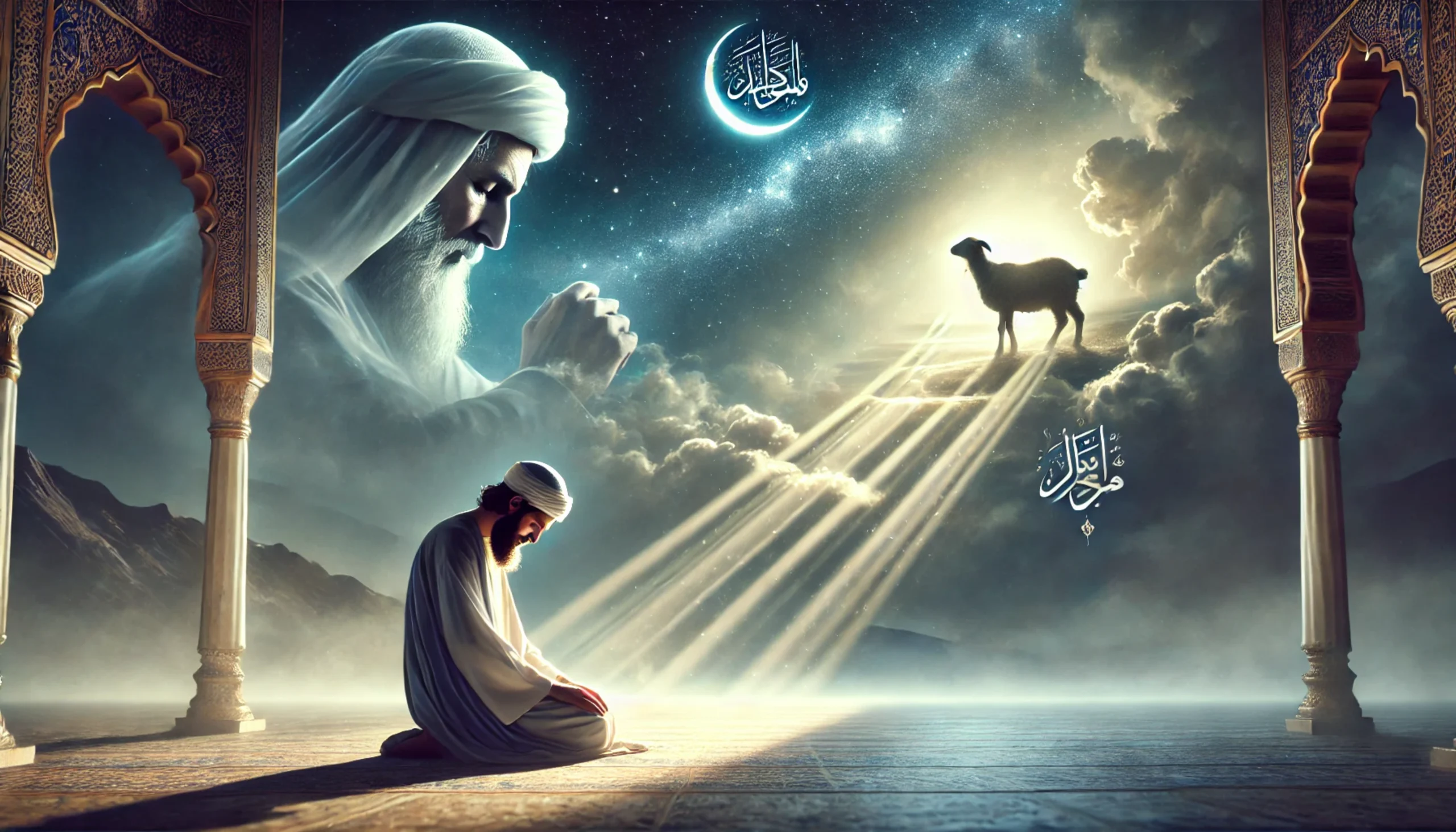
Despite having made sufficient preparation, the Prophet Muhammad s.a.w still asked Allah’s help to keep the enemies asleep while he snuck out of his house to begin his Hijrah. So did he when they were in the Cave Thaur, hiding for their lives. This reminds us of the concept of reliance, or Tawakkal towards Allah s.w.t.
By surrendering our self to the Lord, our Creator and Sustainer, and acknowledging His greatness, we declare our weakness as His servants. Internalising this is a form of tawassul; it strengthens our prayers and plights towards Allah.
Always keep in mind that He is The Greatest. With His Will, Allah blessed the prophets with countless mu’jizat that transcends human logic and comprehension. Who are we then, to think that Allah can’t help us through our challenges? Just as He puts us through calamity, He is also the One who gives us strength to go through them. Allah will help us in ways we may not comprehend.
And whoever puts their trust in Allah, then He alone is sufficient for them. [At-Talaq 3]
4. Hardship as purification
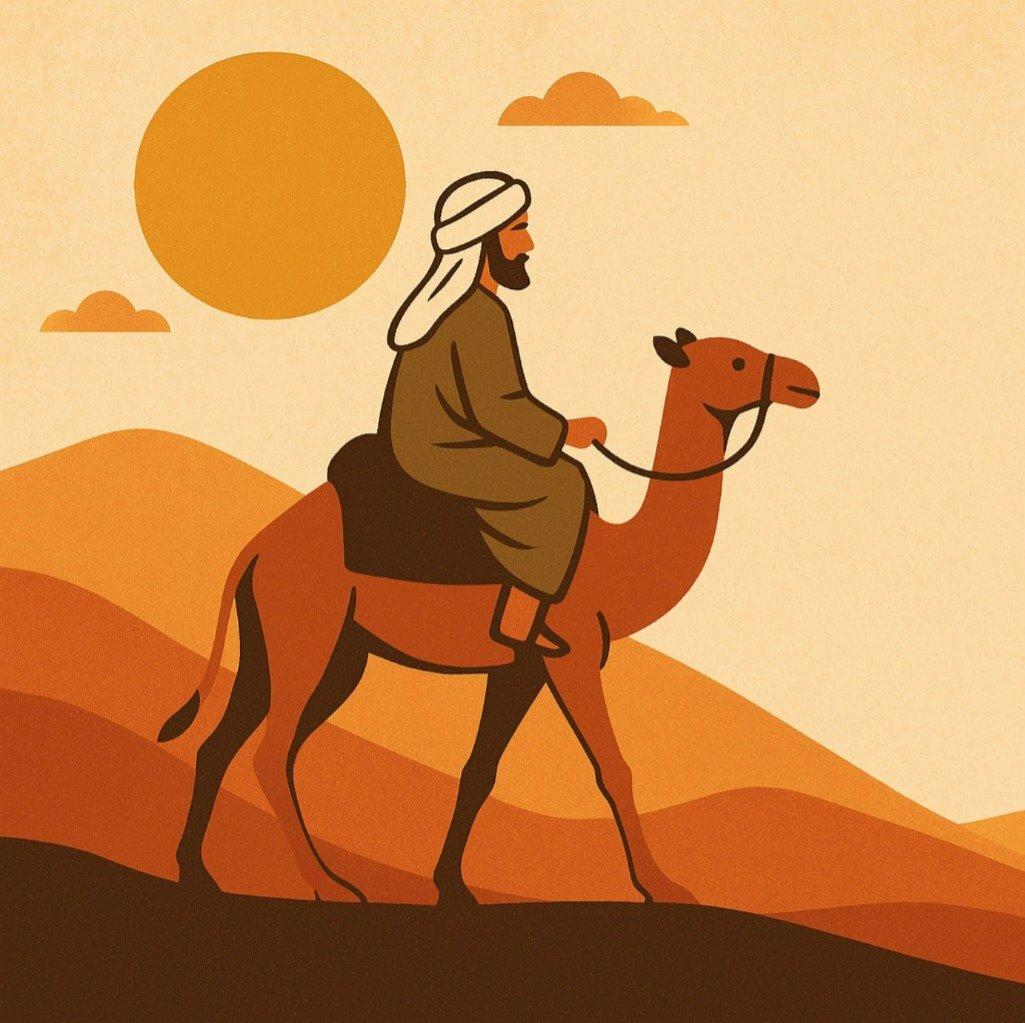
As the Prophet s.a.w. left Makkah to begin his Hijrah, he went towards the Cave of Thaur with Abu Bakr r.a and resided there for 3 days. They then proceeded to Madinah via a coastal route with the help of a guide. Geographically, this didn’t make sense at all. They wanted to journey from Makkah to Medinah, and should be travelling northwards; The Cave was south of Makkah instead. Strategically however, it made sense. This threw off the people of Makkah who were in pursuit of the Prophet s.a.w. Had he gone on a direct route to Madinah, he might have been left exposed and caught by the people of Makkah riding horseback. Instead, by staying in the Cave of Thaur, they managed to go under the radar and avoid detection. The long and hard journey they went through was necessary for them to reach Madinah safely.
Some of the paths we tread on are not the smoothest. As much as we try to adjust to a new lifestyle, we tend to struggle during tough times. At times, we are in haste and hope for a shortcut to a better situation.
Change requires time, just as how Rome wasn’t built in a day. It is okay if we err and misstep along the way. Our intent on being a better person today than we were yesterday is a continuous effort; it cannot be halted just because of one small mistake. We must be forgiving towards ourselves. Only then can we persevere to make things better, albeit slowly.It is possible that Allah puts us through hardship to bring the best out of us. Just as how a diamond is formed only after going through years of pressure, it may be necessary for us to go through years of hardship so that we become a person of character and good moral values.
So surely, with hardship comes ease. With (that) hardship, comes (more) ease
[Ash-Sharh 5-6]
5. Blessings a tool for goodness
The Hijrah allowed the Prophet Muhammad s.a.w. and his companions to live in peace and harmony together with the community in Madinah. This is in contrast to the hostile environment they were in while residing in Makkah prior.
The Prophet s.a.w. and his companions took full advantage of the peace that they had there. It was not a coincidence that Islam expanded a lot more after the Hijrah. They were very mindful of being given the blessing of being able to live in peace. Rather than taking it for granted, they used this blessing to continue spreading the teachings of Islam. It is then that the religion multiplied tenfolds.
Allah has granted us countless blessings. Some of which we experience daily that we may overlook, such as our eyesight and the ability to walk and speak. Others are more delicate; the very things that we complain about are in fact blessings given to us by Allah. The work that we bemoan about is in fact a source of sustenance and barakah for us. The children that caused sleepless nights are a source of happiness and everlasting rewards.
When we are more conscious of the blessings that Allah has granted us, we must express our gratitude for them. Allah has provided for us so much and only asked so little back from us. Being on the receiving end of such blessings, we mustn’t take them for granted and consider them to be an entitlement. It is hence unto us to express our gratitude as His servants.
There are several ways for us to express our gratitude for the blessings we receive. We must have the full consciousness that all these blessings come from Allah, our Creator and Sustainer. We can also simply say Alhamdulillah (All praise is to Allah). Most importantly, we must consider our blessings to be opportunities and tools for us to do and spread good, and benefit those around us.
If you are grateful, We shall give more for you.
[Surah Ibrahim 7]